In response to yesterday’s piece on virtual astronauts, Kathy writes:
The virtual astronaut story has this quote:”HAL was a vision of artificial intelligence…and I’m not a big fan of AI. Never have been,” [Peter] Plantec said. “What we really need is to fake conscious behavior so that we humans can have the emotional relationship with machines. You can’t do that with AI.”
Thank you! My enhanced human character, Asimov, in The Council, and my robot character, Colter, have both recoiled from the use of the term “AI.” I rejected the concept on an emotional and intuitive level. Peter Plantec helps me understand that there is an alternative to AI. I wouldn’t term it “fake” conscious behavior, however. Would the term “synthetic” be more appropriate? A synthesis isn’t merely artificial, it’s a recombination of essential elements to make something new. And if it’s real, it isn’t “fake.”
I think Plantec is making a distinction without a difference. Much current AI research is about getting computers to “fake” intelligent, interactive behavior. That’s the concept that lies behind AI chatbots like Alice and Jabberwacky (and my buddy Ramona).
The word “artificial” has negative overtones because we think of things like artificial flowers and artificial flavors. But if you take it back to its roots, it means, “made by human artifice.” So Michelangelo’s David and Van Gogh’s Starry Night are both “artificial.”
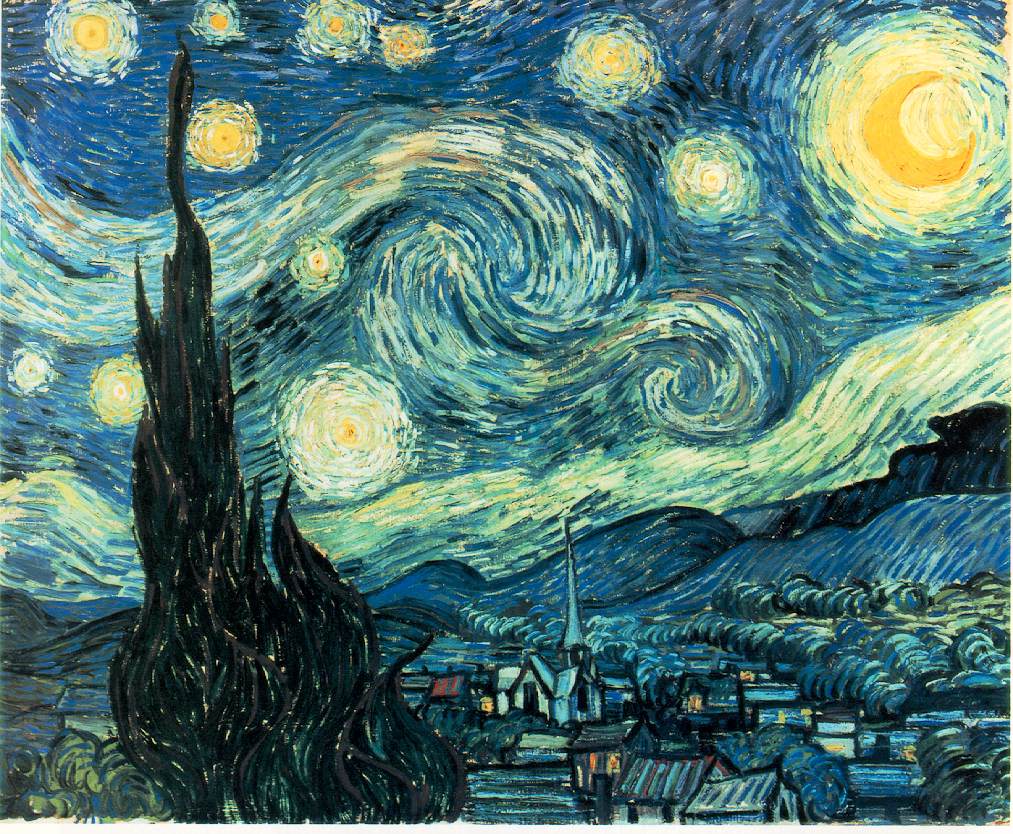
The dream of AI is the ancient myth of Pygmalion — the artist who makes a statue that comes to life.
“Synthetic” intelligence would involve merging human and machine intelligence. To a certain extent, neural nets have already begun to accomplish this. Brain scans will move us further in this direction. The uploaded human intelligence I described as an ideal astronaut would be synthetic.
Ultimately, the distinctions between intelligence mapped out through human effort and intelligence occurring in or replicated from a human brain will probably not be that important. In the future, synthesized organic and mechanical intelligence will be the norm, making a term like AI obsolete. However, there will be a term for those who seek to keep their human intelligence “pure” — MOSH, Mostly Original Substrate Human.
How would Asimov and Colter feel about that one?